
Visual ideas rarely arrive fully formed. A designer may begin with a rough sketch, a marketer with a campaign concept, or a writer with a description of an image that would support an article. Turning those early thoughts into something useful traditionally requires several stages of discussion, research, sketching, and revision.
Generative AI is changing that process. It gives creators new ways to visualize ideas earlier, test alternatives quickly, and adjust concepts before committing significant time to production.
The result is a creative process that can be faster without necessarily becoming less thoughtful.
Why Early Visual Development Can Be Slow
Before a finished visual exists, creators usually need to decide what it should communicate and how it should look.
Turning Abstract Ideas Into Clear Concepts
A brief may ask for something “modern,” “welcoming,” or “futuristic,” but these descriptions can mean different things to different people.
Designers often use sketches, mood boards, reference images, or basic mockups to turn those abstract instructions into clearer visual directions. This stage is valuable, but preparing several options can take considerable time.
Too Few Options Can Limit Exploration
When producing each draft requires substantial effort, creators may narrow their choices too early. A team might develop two concepts when five or six approaches could have revealed a stronger direction. AI makes it easier to explore those alternatives before detailed work begins.
AI Creates a Faster Starting Point
One of the biggest changes is how quickly a written idea can become something visible.
Moving From Description to Visual Reference
Instead of relying entirely on sketches or searching through large libraries of reference images, creators can describe what they want to explore.
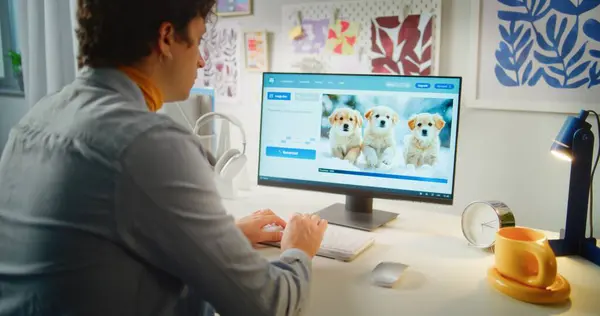
An AI image generator from text can turn instructions about the subject, setting, mood, composition, or lighting into an initial visual concept. That concept can then be reviewed, adjusted, or used as inspiration for further work.
The purpose does not have to be producing finished artwork. Often, simply seeing the idea is enough to decide whether it deserves further development.
Making Early Changes Less Costly
If a concept is not working, changing it during the brainstorming stage is much easier than rebuilding a nearly finished design.
Creators can experiment with different:
- Perspectives and compositions;
- Backgrounds and environments;
- Lighting conditions;
- Visual moods;
- Subject arrangements;
- Levels of detail.
More Variations Can Lead to Better Decisions
Speed is useful, but the greater benefit may be the ability to compare alternatives.
Testing Several Directions
One version might focus on landscapes, another on local culture, and a third on close-up human experiences. Generative tools can help the team visualize each approach before selecting one for further development.
Learning From Concepts That Do Not Work
A generated concept may reveal that the image feels too crowded, the mood does not fit the audience, or the intended subject is not prominent enough. Identifying these problems early helps creators refine their direction without investing heavily in the wrong concept.
Visual Concepts Can Improve Team Communication
Creative projects often involve people with different backgrounds and skills.
Giving Everyone Something Visible to Discuss
A designer, writer, marketer, and client may interpret the same brief differently. Rough visual concepts can reduce that uncertainty. Rather than saying, “Make it more energetic,” someone can point to a reference and explain which elements need adjustment.
Where Faster Concept Development Helps
|
Creative Area |
Possible Benefit |
|
Advertising |
Compare campaign directions early |
|
Publishing |
Plan illustrations before production |
|
Product design |
Visualize early-stage ideas |
|
Presentations |
Explain concepts more clearly |
|
Social content |
Test different visual approaches |
Flexibility Does Not Remove the Need for Human Judgment
Faster production does not automatically mean better visual communication.
AI Outputs Still Need Evaluation
Generated visuals may include inaccurate details, unusual proportions, inconsistent objects, or elements that do not match the intended context. Creators need to review what is produced rather than assuming a polished-looking image is ready to use.
Purpose Should Guide the Final Choice
A visual designed for a technology blog has different requirements from one intended for an educational resource or a corporate presentation. Audience, tone, accuracy, brand consistency, and overall purpose still influence which concept works best.
AI Works Best Alongside Existing Creative Skills
A creator might use AI to explore initial concepts and then move into illustration or editing software. Another team may generate visual references before organizing a professional photo shoot. AI can support several stages without controlling the entire project. The strongest workflow depends on what the project actually needs.
Conclusion
AI is making visual concept development faster by helping creators turn early ideas into visible references, compare more options, and make changes before detailed production begins.
It is also making the process more flexible because creators can explore different compositions, moods, and directions without treating every experiment as a major investment.
However, the technology works best when speed is combined with human judgment. AI can generate possibilities, but people still decide which ideas communicate clearly, fit the audience, and deserve to become finished creative work.