

Financial distress can happen for many reasons — unexpected medical expenses, job loss, or rising living costs. When debt becomes unmanageable but you still have regular income or valuable property you want to keep, Chapter 13 bankruptcy can offer a structured solution. This legal process allows individuals to reorganize their debts through a manageable repayment plan, providing both relief and protection.
For those considering this option, San Diego Chapter 13 Bankruptcy Lawyers play an essential role in guiding clients through every step — from filing the case to completing the repayment plan. This article explains what Chapter 13 bankruptcy is, who qualifies, how it works, and why legal assistance is critical for success.
What Is Chapter 13 Bankruptcy?
Chapter 13 bankruptcy, often referred to as a “wage earner’s plan,” allows individuals with a steady income to repay their debts over time — typically three to five years. Instead of liquidating assets to pay creditors (as in Chapter 7 bankruptcy), the debtor creates a court-approved repayment plan that outlines how creditors will be paid.
Payments are made to a court-appointed trustee, who distributes funds to creditors according to the plan. At the end of the repayment period, remaining eligible unsecured debts, such as credit card balances and medical bills, may be discharged.
In San Diego, Chapter 13 cases are filed through the U.S. Bankruptcy Court for the Southern District of California, which oversees the process under federal law.
Who Qualifies for Chapter 13 Bankruptcy?
Not everyone can file for Chapter 13 bankruptcy. Eligibility depends on several key factors:
- Regular Income: The debtor must have a reliable income source to make consistent monthly payments.
- Debt Limits: There are limits on how much secured (like mortgages or car loans) and unsecured debt (like credit cards) you can have. These limits are adjusted periodically by federal law.
- Tax Compliance: You must be current with your tax filings for the past four years before your case can be confirmed.
Individuals who do not meet these requirements may need to explore other bankruptcy options, such as Chapter 7 bankruptcy or alternative debt relief strategies.
San Diego Chapter 13 Bankruptcy Lawyers help clients evaluate eligibility, prepare required documentation, and design repayment plans that comply with both federal and local court rules.
How Chapter 13 Bankruptcy Works
Filing for Chapter 13 triggers an automatic stay, which immediately stops most collection efforts — including foreclosure, repossession, wage garnishments, and lawsuits. This legal protection remains in place while the repayment plan is active.
The process generally includes these key steps:
1. Preparing and Filing the Petition
Your attorney gathers financial information — income, debts, assets, and expenses — and files the bankruptcy petition with the court. This includes a proposed repayment plan outlining how creditors will be paid over time.
2. Trustee and Creditor Review
Once the petition is filed, a Chapter 13 trustee reviews your plan and may request additional documents or clarification. Creditors also have the opportunity to raise objections, such as disputes about payment amounts or the classification of debts. Your lawyer addresses these concerns and negotiates adjustments when necessary.
3. Plan Confirmation Hearing
A bankruptcy judge reviews and approves the repayment plan at a confirmation hearing. Once confirmed, the plan becomes binding, and you begin making monthly payments through the trustee. Missing payments can result in dismissal, so maintaining communication with your attorney is crucial.
4. Completing the Repayment Plan
Most repayment plans last between three and five years, depending on your income level and the amount of debt. Once all required payments are made, remaining eligible unsecured debts may be discharged.
The Role of San Diego Chapter 13 Bankruptcy Lawyers
Filing for bankruptcy is a detailed and legally demanding process. San Diego Chapter 13 Bankruptcy Lawyers guide clients through each stage, ensuring compliance with federal and local court requirements while protecting their rights.
Legal Guidance and Case Evaluation
An attorney reviews your financial situation and determines whether Chapter 13 is the best solution. They assess your eligibility, calculate disposable income, and estimate feasible repayment terms.
Plan Development and Filing Accuracy
Creating a realistic, court-approved repayment plan requires precision. Lawyers ensure that all paperwork is accurate, complete, and filed correctly. Errors or omissions can delay or even jeopardize your case.
Representation in Court and Trustee Meetings
Your attorney represents you in hearings and at the 341 Meeting of Creditors, where you answer questions about your finances under oath. They also handle any disputes that may arise, ensuring your plan stays on track.
Long-Term Support
Throughout the repayment period, lawyers provide ongoing guidance — helping you adjust your plan if financial circumstances change, ensuring continued compliance, and assisting in completing post-bankruptcy requirements like debtor education courses.
Benefits of Chapter 13 Bankruptcy
Chapter 13 offers several key advantages over other forms of debt relief:
- Asset Protection: You can keep your home, vehicle, and other important property while catching up on overdue payments.
- Debt Consolidation: All eligible debts are combined into one manageable monthly payment.
- Foreclosure Prevention: The plan allows homeowners to stop foreclosure proceedings and repay mortgage arrears over time.
- Co-Debtor Protection: Chapter 13 may shield co-signers from collection efforts while the plan is active.
- Credit Rebuilding Opportunity: Although bankruptcy impacts credit temporarily, consistent payments demonstrate financial responsibility, which helps rebuild credit over time.
For an official overview of bankruptcy options, including Chapter 13, readers can consult the U.S. Courts Bankruptcy Basics guide.
Local Perspective: Why San Diego Experience Matters
While bankruptcy is governed by federal law, local procedures can vary. San Diego Chapter 13 Bankruptcy Lawyers understand the practices of the Southern District of California — including trustee expectations, local filing rules, and regional cost-of-living considerations that affect repayment plans.
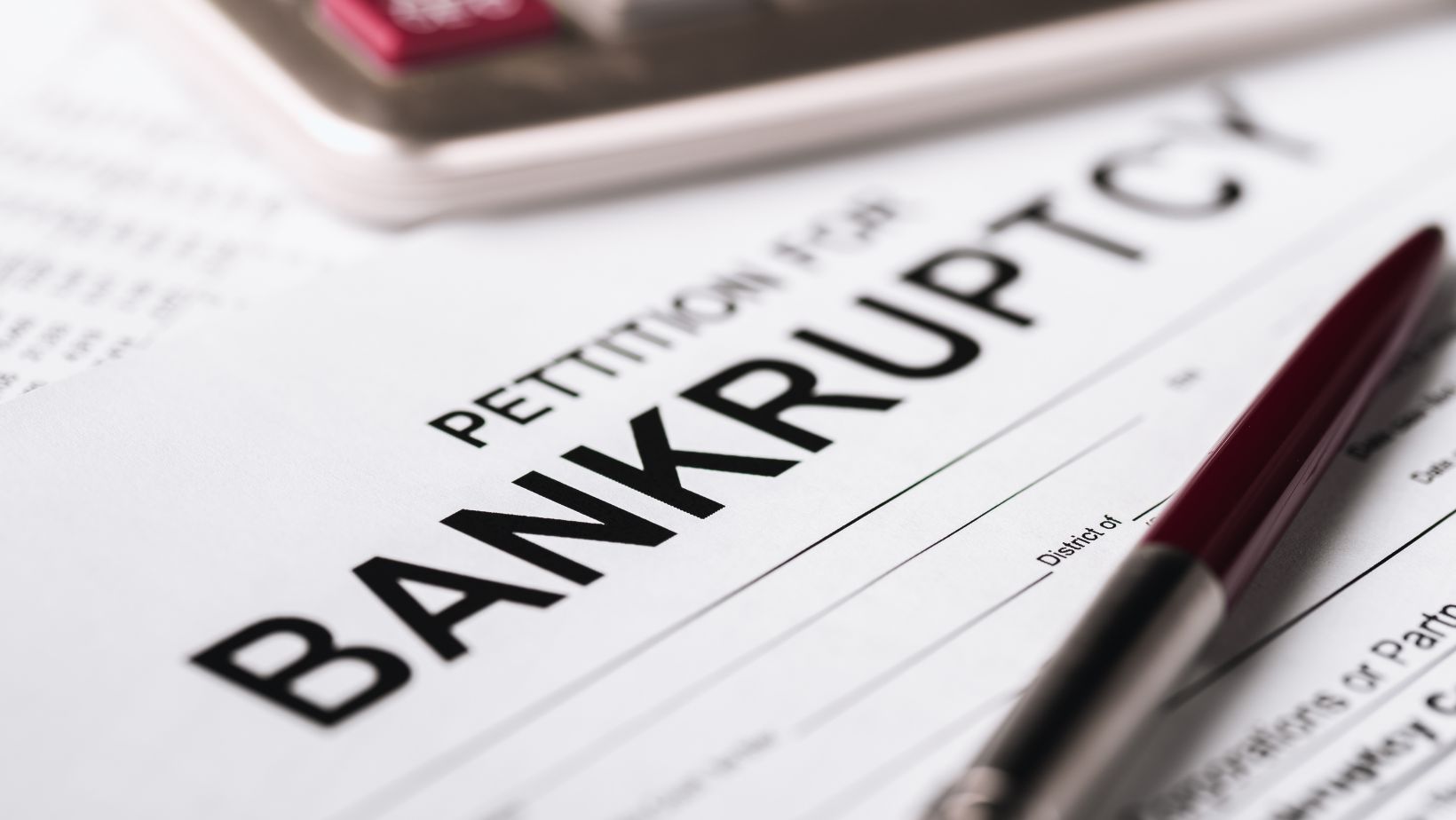
This local knowledge helps ensure smoother proceedings and realistic financial plans tailored to San Diego residents’ circumstances.
Common Misconceptions About Chapter 13 Bankruptcy
Many individuals hesitate to file due to myths surrounding bankruptcy. Here are some common misconceptions clarified:
- “I’ll lose my house.” Chapter 13 is specifically designed to help you keep your property while repaying debts over time.
- “Bankruptcy destroys your credit forever.” While your credit score drops initially, many filers rebuild credit within a few years by making timely payments.
- “Only financially irresponsible people file.” Most filers face unexpected challenges like illness, divorce, or job loss — not poor financial choices.
Understanding these truths helps reduce the stigma often associated with bankruptcy and empowers individuals to make informed financial decisions.
Structured Relief and Financial Recovery
Chapter 13 bankruptcy provides individuals with a lawful, structured path to reorganize debt without losing their assets. With guidance from experienced San Diego Chapter 13 Bankruptcy Lawyers, debtors can create realistic repayment plans, stop creditor actions, and work toward long-term financial stability.
Though the process requires commitment and discipline, Chapter 13 represents more than just debt management — it is a foundation for financial recovery and a chance to rebuild with clarity and confidence.